
What drives the number
- Term length. The dominant factor. The landlord recovers the spend over your lease. Double the term and the math changes entirely.
- Creditworthiness. An established business with financials supports more than a new entity with none.
- Suite size. A larger suite generates more total rent, which supports more contribution.
- How generic the work is. Improvements that survive you and serve the next tenant, like a demising wall, standard office buildout or lighting, are easier to fund. Highly specific work that only your business values is harder.
- Market conditions. In a tight small-bay market with limited vacancy, landlords concede less. That is the current reality in Southeast Michigan.
- What else you asked for. Free rent, a cap on CAM, a termination option and TI all come out of the same pot. Decide what you actually need most before you negotiate.
Four terms that matter more than the dollar amount
1. Who performs the work. Landlord-performed means the landlord controls contractor, schedule and quality, and you have less exposure to overruns. Tenant-performed gives you control and puts overruns on you. Many industrial landlords require landlord approval of contractors and plans regardless.
2. What it covers. Hard construction only, or also design, permits, and your own equipment and racking? Permit and design costs are real money and are frequently excluded.
3. When it is paid. Paid directly by the landlord as work proceeds, reimbursed on completion against invoices and lien waivers, or delivered as free rent? Reimbursement means you finance it in the meantime, which is a cash flow question your bank will care about.
4. What happens at expiry. Some leases require you to remove your improvements and restore the suite. That is a real cost at the end of a term most tenants never budget for. Negotiate that landlord-approved improvements may remain.
What is usually easy, and what is usually hard
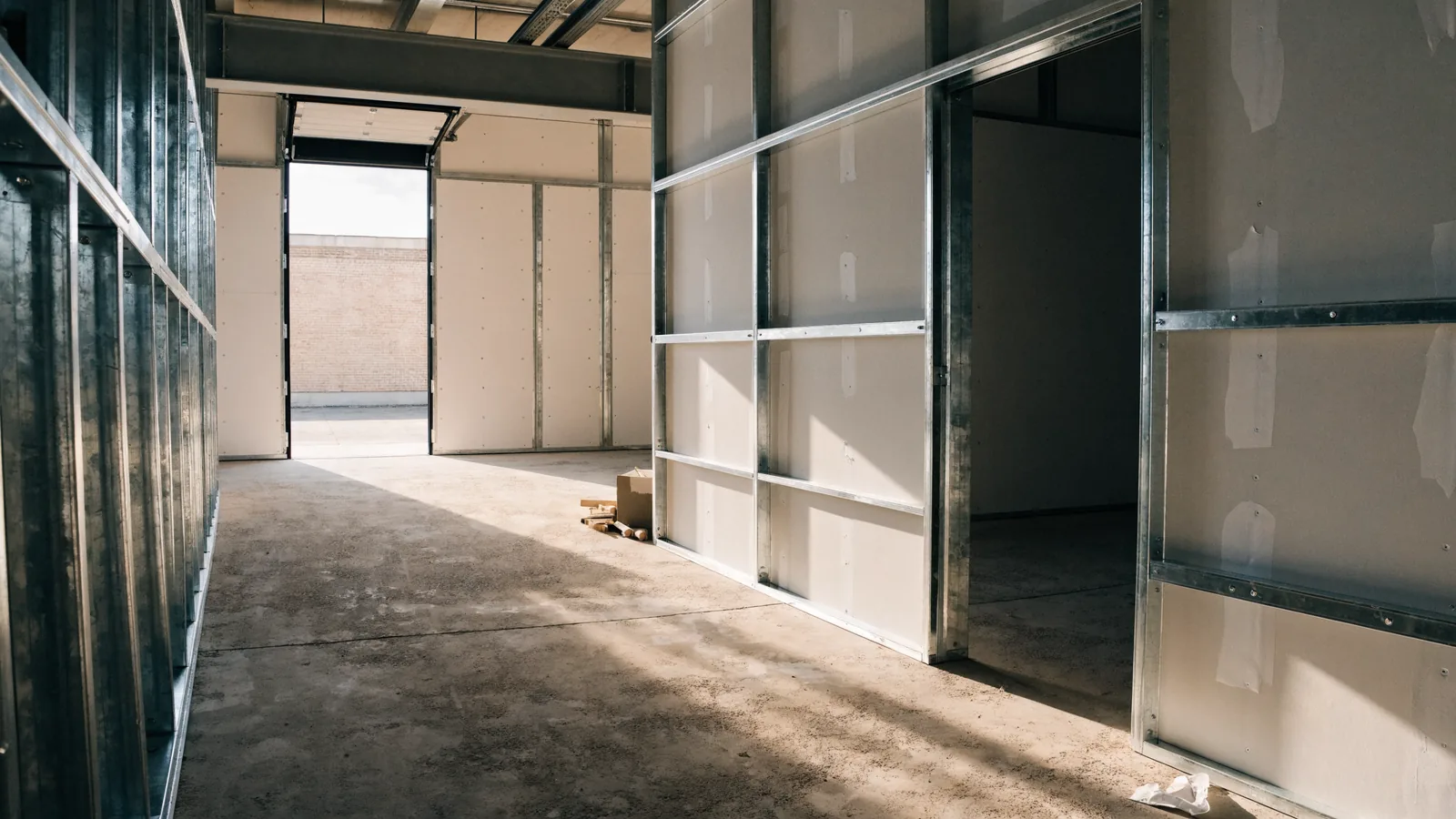
- Usually achievable: demising walls, basic office buildout, LED lighting upgrades, painting and floor coating, restroom work, adding or modifying a standard overhead door.
- Harder but negotiable: HVAC additions to warehouse areas, electrical service upgrades, drainage work, specialized ventilation.
- Usually on the tenant: racking, equipment, process-specific installations, security systems, signage beyond building standard, anything the landlord cannot reuse.
How to ask for it
- At letter of intent stage, not after the lease is drafted. By then the economics are set and reopening them costs you goodwill or the deal.
- Bring a scope. "We need a TI allowance" invites a small number. "We need a demising wall here, a 200-square-foot office here, and three additional circuits, and here is a contractor's estimate" invites a real conversation. Landlords fund defined scopes far more readily than open allowances.
- And be honest about term. If you want meaningful contribution, offer the term that supports it. The trade is explicit and both sides know it.
Alternatives when the allowance is not there
- Free rent. Sometimes easier for a landlord to grant than cash, and it goes straight to your cash flow during buildout.
- As-is with a rate reduction. Take the suite as it stands and do the work yourself over time at a lower rent.
- Amortized landlord work. The landlord performs the work and adds a stated amount to the rent, effectively financing it for you at a known cost. Ask for the implied rate.
- Phased improvements. Do what you need now, negotiate a right to do more later with pre-approved scope.
At our properties
- Improvements may be permitted with prior written approval. Scope, cost and responsibility depend on the proposed work, the lease term and the overall transaction, and permits may be required. Standard term across our three properties is three to five years, and longer terms support more contribution.
Bring a defined scope and a term you can commit to and you will get a straight answer.
Frequently asked questions
How much TI allowance should I expect for industrial space?
There is no standard figure. It is driven by term, credit, suite size and how reusable the work is. Ask for a specific number against a specific scope rather than a market rule of thumb.
Can I do the work myself?
Often, with landlord approval of plans and contractors, proper permits, insurance and lien waivers.
Do I have to remove improvements at the end of the lease?
Depends on the lease. Negotiate that landlord-approved improvements may remain, or you will be paying to undo your own work.
Is free rent better than a TI allowance?
Different things. Free rent helps cash flow. TI funds the buildout. If you need the space configured before you can operate, TI is the one that matters.
What if my buildout costs more than the allowance?
You pay the difference, which is why a contractor's estimate before signing beats an estimate after.
Tell us what the suite needs to do and we will tell you what is possible. 248-246-1752.
See available space Call 248-246-1752