Why it is not automatic
- A suite lease grants you the interior. Exterior areas, including the parking lot, drive aisles and any yard, are typically common areas the landlord controls and the other tenants share.
- Zoning and site plan. The municipality approved the site for a certain amount of parking and a certain appearance. Outdoor storage often triggers screening requirements, surface requirements or a separate approval. A landlord who lets you store outside without checking can create a violation on their own property.
- The other tenants. Parking counts are finite. One tenant storing trailers in twelve spaces takes them from everyone else.
- Liability and environment. Materials stored outside can leak, run off into storm drains or create a hazard. That exposure lands on the property.
What usually gets approved, and what usually does not
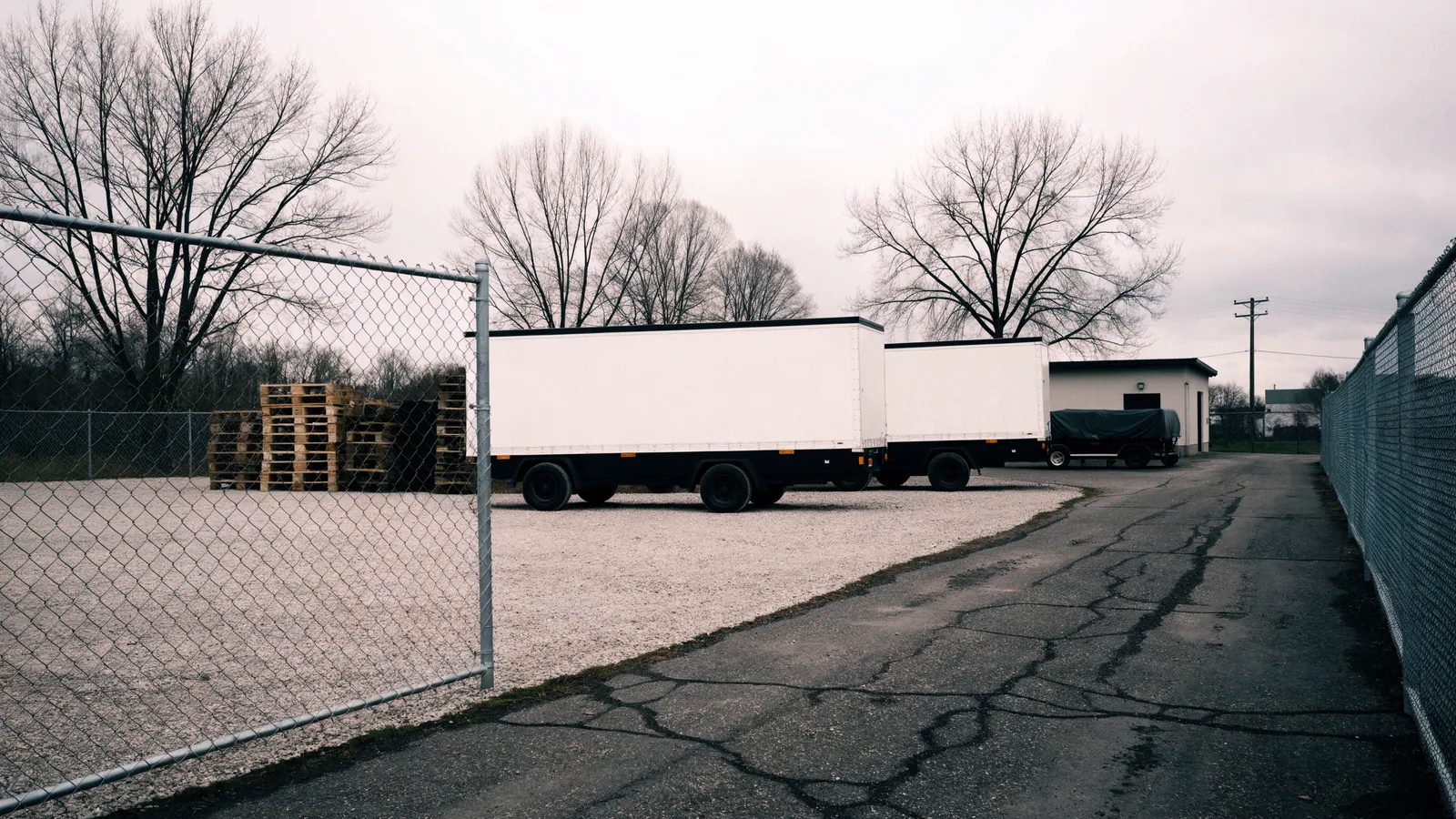
- Frequently approved with written consent: overnight parking of a limited number of company vehicles; a dumpster or enclosure in a designated location; seasonal equipment for a defined period; a small number of trailers in designated spaces.
- Harder: open storage of materials, pallets or inventory; unregistered or inoperable vehicles; anything visible that changes the property's appearance; anything requiring a surface or screening the site does not have.
- Usually refused: storage of hazardous or regulated materials outside; anything blocking drive aisles, fire lanes or another tenant's door; open-ended use of undesignated space.
How to get it, without paying for it twice
- Raise it at letter of intent stage. Cheap here, expensive or refused later.
- Be specific. "Four trailers in four designated spaces" is approvable. "Some outdoor storage" is not.
- Ask who confirms zoning. Landlord approval does not equal municipal approval, and you need both.
- Get it in the lease, not in an email. Designated location, quantity, duration, and who may revoke it.
- Ask what insurance is required. Exterior use often triggers additional coverage.
- Ask about snow. A yard area that needs clearing in a Michigan winter raises the question of who clears it and who pays.
If you cannot get it
Lease slightly more interior square footage and bring the storage inside, which is often cheaper than it sounds once you compare it to a separate yard lease. Rent trailer parking separately from a nearby operator. Or look for a property with a designated fenced yard, accepting that this is a smaller and more expensive category of building.
At our properties
Outdoor storage, trailer parking and overnight vehicle parking are not automatically included with a suite at Rankin Business Park. Any exterior use requires prior written approval and must comply with property rules and local zoning. Tell us specifically what you need to put outside and for how long, and we will give you a straight answer rather than a maybe.
Z Novi Commons includes free overnight parking of company vehicles for tenants, which is unusual and worth knowing if you run a service fleet.
Frequently asked questions
Can I park my work trucks at my warehouse overnight?
Depends on the property. It is included at Z Novi Commons. At most industrial parks it requires approval.
Can I store a trailer outside my industrial unit?
Usually only with written approval in designated spaces, and subject to zoning.
Does outdoor storage cost extra?
Sometimes, as additional rent or a separate license. Sometimes it is granted at no cost for a limited, defined use.
What if the lease is silent on it?
Silence is not permission. If the lease does not grant it, assume you do not have it.
Can I put a shipping container behind my unit?
Almost always requires both landlord approval and a municipal permit, and is frequently prohibited outright by zoning.
Tell us what you need to store and we will tell you whether it works. Available Space or 248-246-1752.
See available space Call 248-246-1752