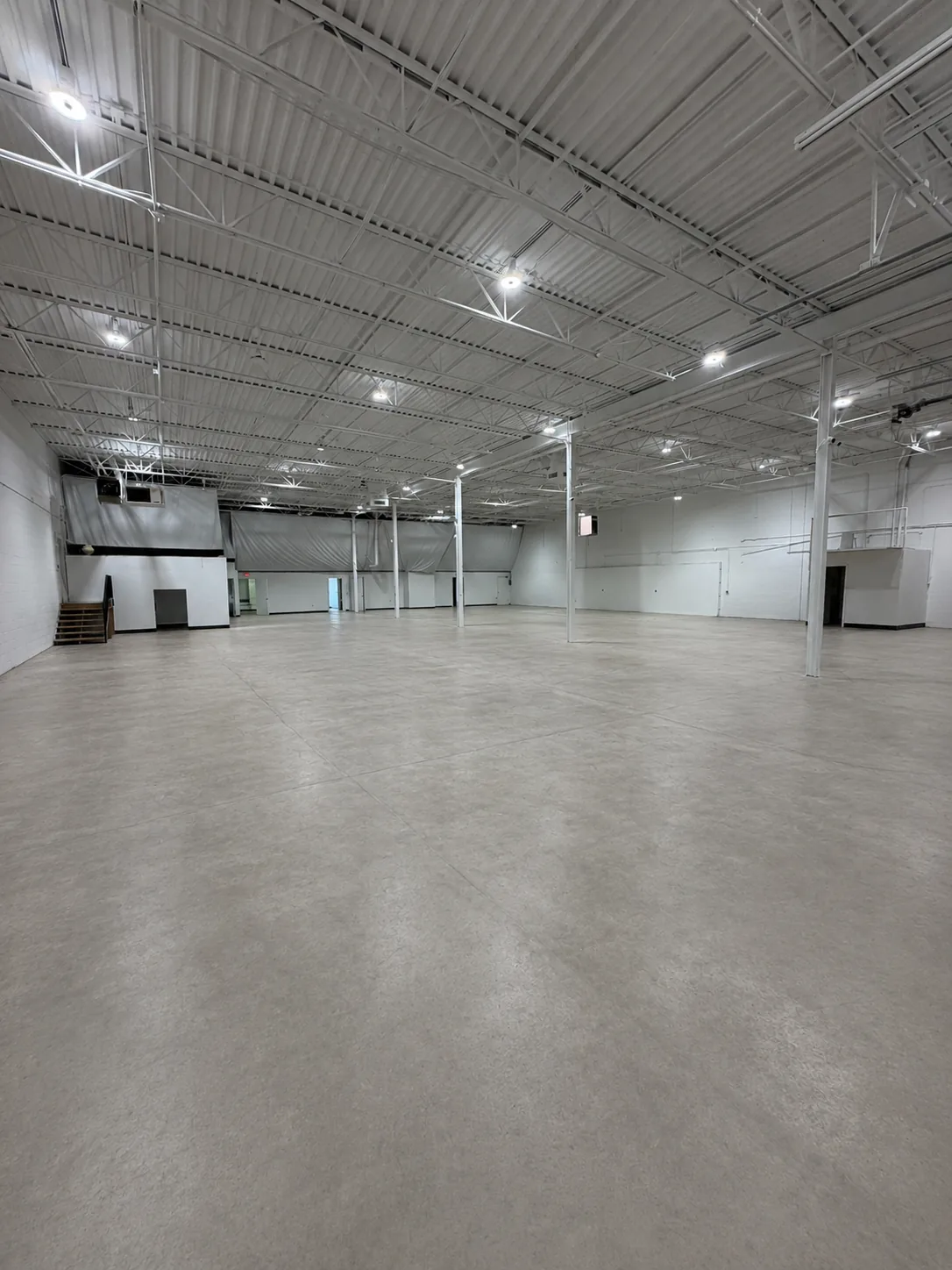
Why Small-Bay Industrial Warehouse Space Is in Such High Demand
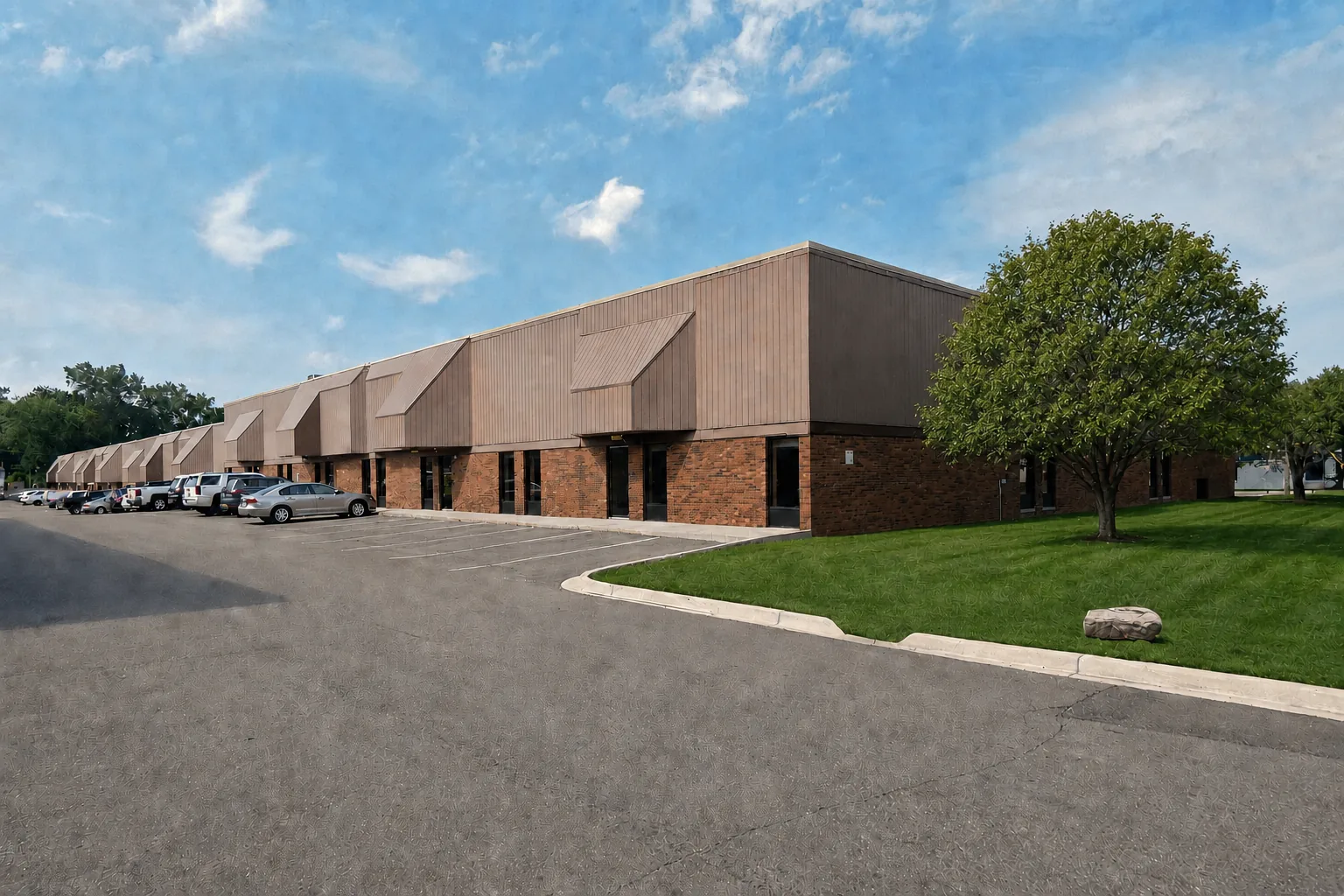
The commercial real estate market is constantly changing, but one sector continues to stand out: small-bay industrial warehouse space.
These properties typically provide a practical combination of warehouse, storage, light-manufacturing and office space. They serve local contractors, distributors, service companies, e-commerce businesses, manufacturers and many other growing companies that need functional space without leasing an entire industrial building.
Read More
Demand for these suites continues to grow, yet the supply remains extremely limited. That imbalance is making small-bay industrial space one of the most desirable segments of the commercial market.
Small Businesses Need Flexible, Functional Space
Most businesses looking for industrial space do not need a 50,000-square-foot distribution center. Many simply need a smaller, affordable suite where they can operate efficiently. A typical small-bay industrial suite may include warehouse or production space, one or more private offices, an overhead drive-in door, clear ceiling height for equipment or storage, convenient parking, easy access for employees, customers and deliveries, and proximity to major roads and expressways.
This combination is difficult to replicate in a traditional office, retail storefront or self-storage facility. Small-bay industrial space gives businesses the flexibility to manage their operations, inventory, equipment and employees from one convenient location.
Construction Costs Have Changed the Economics
One of the biggest reasons these spaces are in such short supply is that very few developers are building new small-bay industrial properties. The cost of land, construction materials, labor, financing, site preparation and municipal approvals has increased substantially. A developer constructing a new industrial building must charge enough rent to justify those costs and generate an acceptable return.
The problem is that many small businesses are accustomed to paying rents based on older industrial buildings that were constructed decades ago, when land and construction were significantly less expensive. In many markets, the rent required to support brand-new construction is substantially higher than the rent tenants expect to pay for small warehouse suites. As a result, the economics of developing these buildings often do not make sense.
Developers generally prefer larger industrial buildings because they are more efficient to construct and manage. A single large tenant can occupy an entire property, while a small-bay building may require numerous leases, individual utility arrangements, additional parking, multiple overhead doors and considerably more hands-on management. This leaves the market heavily dependent on the existing inventory of older small-bay industrial properties.
Existing Supply Is Difficult to Replace
Many small-bay industrial buildings were constructed when land was more affordable and municipalities had fewer development restrictions. Replicating those properties today can be extremely expensive—or, in some locations, nearly impossible. At the same time, some older industrial properties are being demolished or converted to other uses, which can further reduce the amount of available space while tenant demand continues to increase.
This creates a simple supply-and-demand problem: demand from small businesses is growing, but very little new supply is being added. When a well-located industrial suite becomes available, it may attract interest from contractors, automotive businesses, distributors, online retailers, manufacturers and service companies at the same time. The most desirable spaces often lease quickly, particularly when they offer an overhead door, usable office space and convenient expressway access.
Small-Bay Industrial Space Supports a Wide Range of Tenants
Another reason this market remains strong is the diversity of its tenant base. Small-bay industrial suites may be used by electricians, plumbers and HVAC contractors; construction and home-improvement companies; automotive and equipment-related businesses; local distributors and wholesalers; e-commerce and fulfillment companies; light manufacturers and assembly businesses; restoration and maintenance companies; technology and engineering firms; medical, laboratory and specialty service providers; and growing businesses graduating from garages or self-storage units.
This is not a sector that depends upon one particular industry. Small-bay properties support the everyday businesses that keep a local economy operating.
Tenants Value Location and Functionality
For many industrial tenants, functionality is more important than appearance alone. They need a space that helps the business operate efficiently. A well-maintained property with good lighting, reliable utilities, accessible overhead doors, adequate parking and professional management can provide tremendous value. Tenants are often willing to pay more for a clean, secure and conveniently located suite because it can improve employee productivity, customer perception and overall business operations.
Location is especially important. Industrial buildings near major highways, established business districts and population centers allow tenants to reach customers and job sites more efficiently. That convenience can save a business meaningful time and money.
Why Rental Rates Are Likely to Remain Strong
As long as the cost of new construction remains high and new small-bay inventory remains limited, existing industrial properties should continue to experience healthy demand. Rental rates for older industrial suites may still be considerably lower than what would be required to support comparable new construction. This means existing buildings can offer tenants relative affordability while giving property owners opportunities to improve rents as leases expire and spaces are renovated.
For tenants, this makes securing the right space increasingly important. Waiting for a better option can be risky because there may be few comparable suites available in the same size range or location. For property owners, it reinforces the importance of maintaining and improving existing industrial buildings. Strategic investments in exterior appearance, signage, lighting, parking areas, landscaping, security and interior finishes can make an older property considerably more competitive without requiring ground-up construction.
The Future of Small-Bay Industrial Real Estate
Small-bay industrial space occupies a unique position in commercial real estate. Businesses need it, existing inventory is limited and new construction is often too expensive to compete with the rental rates of older properties. That does not mean every industrial building will automatically succeed—location, condition, management and functionality still matter. However, well-positioned properties that offer clean, flexible and professionally managed suites are likely to remain highly desirable.
The fundamental story is straightforward: small businesses continue to grow and need functional industrial space, but the market is not building enough of it. Until construction costs and achievable rental rates move closer together, small-bay industrial suites will remain scarce—and scarcity will continue to drive demand.
Interested in a suite at Rankin Business Park? Browse our current availability or schedule a tour.